

Steve Alder


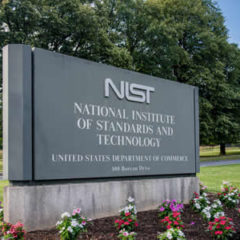
NIST Releases Draft Paper on Telehealth and Remote Monitoring Device Cybersecurity
The National Institute of Standards and Technology’s National Cybersecurity Center of Excellence (NCCoE) has released a draft paper covering the privacy and security risks of telehealth and remote monitoring devices along with best practices for securing the telehealth and remote monitoring ecosystem. Patient monitoring systems have traditionally been deployed within healthcare facilities; however, there has been an increase in the use of remote patient monitoring systems in patients’ homes in recent years. While these systems are straightforward to secure in a controlled environment such as a hospital, the use of these systems in patients’ homes introduces new risks. Managing the risks and ensuring that remote monitoring systems and devices have an equivalent level of security as in-house systems can be a major challenge. The purpose of the paper is to create a reference architecture that addresses the security and privacy risks and provides practical steps that can be taken to improve the overall security of the remote patient monitoring environment. The paper addresses...
53% Of Healthcare Data Breaches Due to Insiders and Negligence
The healthcare industry has had more than its fair share of hacking incidents, but the biggest threat comes from within. The actions of healthcare providers, health insurers, and their employees cause more breaches than hacking, malware, and ransomware attacks. Researchers at Michigan State University and Johns Hopkins University analyzed data breaches reported to the Department of Health and Human Services’ Office for Civil Rights (OCR) over the past 7 years and found that more than half of breaches were the result on internal negligence. The research study, which was recently published in the journal JAMA Internal Medicine, is a follow-on from a 2017 study that explored the risk of hospital data breaches and the types of hospitals that were most prone to data breaches. While the previous research cast light on which hospitals were most vulnerable, little information was available on the main causes of the breaches. The latest study addresses that gap in knowledge. The researchers performed a retrospective analysis of the 1,183 healthcare data breaches reported to OCR between...
OIG: Cybersecurity One of Top 10 Management and Performance Challenges Faced by HHS
The Department of Health and Human Services’ Office of Inspector General (OIG) has published its annual report on the top management and performance challenges faced by the HHS. The report lists 12 major challenges that the HHS must overcome to ensure the department achieves its aims. Given the scale of the current opioid crisis in the United States and its impact, the prevention and treatment of opioid misuse has topped this year’s list. The report also draws attention to the importance of cybersecurity protections to mitigate threats to be confidentiality, integrity, and availability of health data. Protecting HHS data, systems, and beneficiaries from cybersecurity threats made 10th spot in this year’s list. In the report, OIG explained that “data management, use, and security are essential to the effective and efficient operation of HHS’ agencies and programs.” Ensuring the integrity of IT systems and the confidentiality and availability of healthcare data are critically important to the health and well-being of Americans. The HHS has a $5 billion annual budget for IT; a...

October 2018 Healthcare Data Breach Report
Our October 2018 healthcare data breach report shows there has been a month-over-month increase in healthcare data breaches with October seeing more than one healthcare data breach reported per day. 31 healthcare data breaches were reported by HIPAA-covered entities and their business associates in October – 6 incidents more than the previous month. It should be noted that one breach at a business associate was reported to OCR as three separate breaches. The number of breached records in September (134,006) was the lowest total for 6 months, but the downward trend did not continue in October. There was a massive increase in exposed protected health information (PHI) in October. 2,109,730 records were exposed, stolen or impermissibly disclosed – 1,474% more than the previous month. In October, the average breach size was 68,055 records and the median was 4,058 records. Largest Healthcare Data Breaches in October 2018 There were 11 healthcare data breaches of more than 10,000 records reported in October – A 120% increases from the five 10,000+ record breaches in September. The...
Key Dental Group Alerts Patients About Potential HIPAA Violation
Key Dental Group, a dental practice in Pembroke Pines, FL, is informing patients of an alleged HIPAA violation that could potentially result in the unauthorized accessing of patients’ protected health information (PHI). After changing its electronic medical record (EMR) database provider, Key Dental Group requested its former vendor, MOGO, the return its EMR database. Even though the end user license agreement (EULA) stated that all patient data must be returned on termination of the agreement, MOGO has refused to return the database. MOGO communicated to Key Dental Group, via its attorney, that the database would not be returned. The Pembroke Pines dental practice alleges that in addition to violating the EULA, MOGO, as a HIPAA business associate, is in violation of the Health Insurance Portability and Accountability Act. Any security breach, such as the unauthorized accessing of patients’ protected health information, requires notifications to be sent to affected patients. Key Dental Group cannot say whether the database has been accessed after the termination of the EULA,...

Get The FREE
HIPAA Compliance Checklist
Immediate Delivery of Checklist Link To Your Email Address
Please Enter Correct Email Address
Your Privacy Respected
HIPAA Journal Privacy Policy
Get The FREE
HIPAA Compliance Checklist
Immediate Delivery of Checklist Link To Your Email Address
Please Enter Correct Email Address
Your Privacy Respected
HIPAA Journal Privacy Policy




