

Steve Alder


Aetna Settles HIPAA Violation Case with State AGs
In 2017, errors occurred with two Aetna mailings that resulted in the impermissible disclosure of the protected health information of plan members, including HIV statuses and AFib diagnoses. A class action lawsuit was filed on behalf of the victims of the HIV status breach which was settled for $17 million in January. Now Aetna has reached settlements with the attorneys general for New Jersey, Connecticut, and the District of Columbia to resolve the alleged HIPAA violations discovered during an investigation into the privacy breaches. The first mailing was sent on July 28, 2017 by an Aetna business associate. Over-sized windowed envelopes were used for the mailing, through which it was possible to see the names and addresses of plan members along with the words “HIV Medications.” Approximately 12,000 individuals received the mailing. In September, a second mailing was sent on behalf of Aetna to 1,600 individuals. This similarly resulted in an impermissible disclosure of PHI. In addition to names and addresses, the logo of an IMPACT AFib study was visible, which suggested the...
Email Accounts Compromised at Biomarin Pharmaceutical and Envision Healthcare Corporation
Novato, CA-based Biomarin Pharmaceutical has discovered two employee email accounts have been compromised as a result of a phishing attack in which a temporary employee’s login credentials were obtained by the attacker. The attack was discovered on June 21, 2018 and immediate action was taken to prevent further unauthorized account access. The investigation into the breach determined that the email accounts had been accessed by an unauthorized individual, but it was not possible to tell whether any emails were opened or copied by the attacker. An analysis of the compromised accounts suggests a document containing names, health insurance information and Social Security numbers may have been in one or both email accounts at the time the breach. Due to the nature of exposed data, affected individuals have been advised to place a fraud alert on their credit files as a precaution against identity theft and fraud and urged to monitor explanation of benefits statements from insurers for medical services which have not been received. Biomarin Pharmaceutical has now secured its network and...
Minnesota DHS Notifies 21,000 Patients That Their PHI Has Potentially Been Compromised
The Minnesota Department of Human Services has mailed letters to approximately 21,000 individuals on medical assistance to alert them to a possible breach of their protected health information (PHI) due to two recent phishing attacks. Two DHS employees’ email accounts have been confirmed as having been compromised as a result of the employees clicking on links in phishing emails. The investigation into the breach determined that the attackers accessed both email accounts although it was not possible to determine which, if any, emails in the account had been accessed or copied by the attackers. Minnesota DHS has reason to believe that other employees may also have been targeted and could also have clicked on links in phishing emails, but it has not yet been confirmed whether their accounts have been breached. The investigation into the phishing attacks is ongoing. The two email account breaches occurred on June 28 and July 9, 2018, although the IT department only determined that the accounts had been breached in August. Upon discovery of the phishing attack, both accounts were...
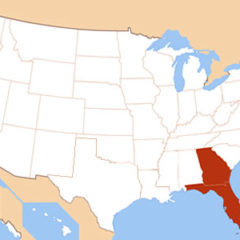
HSS Secretary Issues Limited Waiver of HIPAA Penalties Following Declaration of Public Health Emergency in Florida and Georgia
Following the presidential declaration of public health emergencies in the states of Florida and Georgia in the wake of Hurricane Michael, secretary of the Department of Health and Human Services (HHS) Alex Azar has followed suit in both states and has exercised his authority to waive HIPAA sanctions and penalties for certain provisions of the HIPAA Privacy Rule in the disaster areas. The HHS announced the public health emergency in Florida on October 9, and Georgia on October 11. The HIPAA Privacy Rule does permit healthcare providers to share protected health information during disasters to assist patients and ensure they receive the care they need, including sharing information with friends, family members and other individuals directly involved in a patient’s care. The HIPAA Privacy Rule allows the sharing of PHI for public health activities and to prevent or reduce a serious and imminent threat to health or safety. HIPAA-covered entities are also permitted to share information with disaster relief organizations that have been authorized by law to assist with disaster relief...
HHS OIG Raises Awareness of Its Cybersecurity-Related Activities on New Web Page
The Department of Health and Human Services’ Office of Inspector General (HHS OIG) has recently created a new web page detailing some of the actions that have been taken to improve cybersecurity within the HSS as part of its efforts to improve transparency of its cybersecurity activities. The new cybersecurity-focused web page will be regularly updated to include details of cybersecurity activities that have positively affected HHS programs and have helped strengthen the cybersecurity defenses, including reports of its audits, evaluations, and inspections of its offices and agencies that HHS OIG oversees. On the new web page, HHS OIG explains that it currently uses a three-pronged approach to safeguard data and the systems on which those data are stored. They are IT security controls, risk management, and resiliency. IT security controls are technological and procedural controls that protect against vulnerabilities to the confidentiality, integrity, and availability of data and systems. Risk management is proactively identifying risks and threats and taking action to reduce those...

Get The FREE
HIPAA Compliance Checklist
Immediate Delivery of Checklist Link To Your Email Address
Please Enter Correct Email Address
Your Privacy Respected
HIPAA Journal Privacy Policy
Get The FREE
HIPAA Compliance Checklist
Immediate Delivery of Checklist Link To Your Email Address
Please Enter Correct Email Address
Your Privacy Respected
HIPAA Journal Privacy Policy




