

Steve Alder


Healthcare IoT Security Market Predicted to Grow at CAGR of 22% over Next 5 Years
Internet of Things (IoT) devices such as wearable sensors, implants, medical devices and home monitoring systems have the potential to greatly improve patient services and quality of care. The IoT could revolutionize the healthcare industry and adoption of the technology already high. IoT devices can be controlled remotely and are highly automated. Implementing the technology can result in improvements to efficiency, accuracy and there are considerable economic benefits. However, IoT devices introduce considerable risks. IoT devices are now being introduced, even though security is a major concern and many of the devices are not covered by existing security solutions. A recent healthcare-specific Thales Data Threat Report suggested that 60% of healthcare organisations are deploying new technologies before appropriate security is implemented. That said, investment in security technologies is increasing and healthcare organizations are working on improving security for IoT devices. There is currently strong demand for new security solutions and that is unlikely to change. Currently...
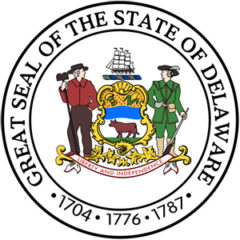
Delaware Data Breach Notification Law to be Strengthened
Delaware data breach notification law is likely to be expanded to include medical information in the definition of personal information. The data breach notification law in Delaware has remained unchanged for 12 years so an update is certainly due. The bill was sponsored by Rep. Paul Baumbach (D), with an updated version (House Substitute No. 1 for HB 180) passed by the House on June 28 with a vote of 37-3. The bill will now go before the Senate where it is expected to be passed. Gov. John Carney (D) is in favor of the amendment and is expected to sign the bill. The updated breach notification law will see the definition of personal information expanded to include biometric data, usernames together with passwords, routing numbers to accounts, taxpayer identification numbers, health insurance identifiers, passport numbers and medical information. If passed, the new legislation will apply to all legal and commercial entities that do business in the state of Delaware that collect or use personal information; however, the updated Delaware data breach notification law will still not...
Indiana Medicaid Recipients Alerted to Potential Data Breach
Medicaid recipients in Indiana are being notified that some of their protected health information was accessible over the Internet between February and May this year. The fiscal agent for the Indiana Health Coverage Program (IHCP), DXC Technology, says a hyperlink to an IHCP report containing patient information was accessible online. The report was an internal document used for administrative functions. The information exposed was limited to names, Medicaid ID numbers, patient numbers, procedure codes, dates of service, payment amounts and names/addresses of health care providers. At no point was it possible for Social Security numbers, addresses or financial information to be accessed. While protected health information could potentially have been accessed via the Internet, no evidence has been uncovered to suggest the link was clicked or that any information was stolen. DXC Technology is contacting all affected individuals by mail to alert them to the potential data breach to allow them to take precautions to protect their identities and to satisfy state and federal regulatory...
Tampa Bay Surgery Center Notifies 26,000 of PHI Theft
Tampa Bay Surgery Center has started notifying almost 26,000 patients that some of their protected health information was stolen by an unauthorized individual who subsequently posted the information on a file sharing website. Law enforcement contacted Tampa Bay Surgery Center on May 5, 2017 alerting the healthcare provider to the data dump. The file had been uploaded to the file sharing website the previous day. The file contained sensitive data that had been obtained from a database maintained by Tampa Bay Surgery Center. Data stolen and exposed online by the malicious third party included the full names of patients along with dates of birth, home addresses and social security numbers. A link to the file was also distributed on Twitter by the individual who claimed to have stolen the data. Tampa Bay Surgery Center has notified the Department of Health and Human Services’ Office for Civil Rights of the breach. The breach report indicates 25,848 patients were affected by the incident. Those individuals are being offered identity theft protection services without charge, although...
Princeton Community Hospital Replaces Network After NotPetya Attack
Recovery from the WannaCry ransomware attacks was a long and complicated process for many healthcare organizations. Recovery from the recent NotPetya attacks has also been problematic. In contrast to WannaCry, NotPetya is not actually ransomware. While it bears a number of similarities to a strain of ransomware called Petya, the virus is actually a wiper. The attacks initially appeared to involve ransomware, but the aim of the attacks was to wipe out computers and destroy data. A ransom demand was presented on screen claiming payment of a ransom would allow an organization to obtain the keys to unlock data, but access to files cannot be restored as the decryption keys do not exist. Attacks in the United States were limited, with five known healthcare victims. Princeton Community Hospital in West Virginia is one of the organizations struggling to recover. Princeton Community Hospital has been attempting to bring its systems back online since the attack last Tuesday. The hospital reports that attacked devices cannot now be used on the hospital’s network. The hospital is having to...

Get The FREE
HIPAA Compliance Checklist
Immediate Delivery of Checklist Link To Your Email Address
Please Enter Correct Email Address
Your Privacy Respected
HIPAA Journal Privacy Policy
Get The FREE
HIPAA Compliance Checklist
Immediate Delivery of Checklist Link To Your Email Address
Please Enter Correct Email Address
Your Privacy Respected
HIPAA Journal Privacy Policy




