Steve Alder



HIPAA Training for Paramedics
Paramedics that work for HIPAA covered entities need the same HIPAA training as other healthcare staff but also additional HIPAA training to understand how the HIPAA Rules apply during emergencies. This is because they routinely create, receive, use, and disclose Protected Health Information (PHI) during emergency care, and must know how to protect privacy while still sharing the right information quickly to support emergency treatment. Paramedics operate in high pressure environments where patient details can be exposed in seconds through radio traffic, mobile devices, printed run sheets, verbal handoffs, and on scene conversations. HIPAA does not stop emergency care, but it does require disciplined handling of information so that disclosures are appropriate, limited to what is needed, and documented when required by policy. Strong HIPAA habits also protect the organization, since a single mistake in a public setting can become a reportable incident and a lasting reputational issue. What a core HIPAA course should cover for paramedics A good paramedic focused course explains the...

Nurse Fired for Disclosing Teenager’s Pregnancy Status to Family Member
An Iowa nurse has been terminated for a HIPAA violation and has lost her unemployment benefits after disclosing the pregnancy status of a 17-year-old patient to a family member without the patient’s consent. Erica Hulsing was a registered nurse at Waverly Health Center in Waverly, Iowa, where she had been employed since September 2016. On April 17, 2025, Hulsing received a call from a family member of a 17-year-old patient inquiring about the patient’s recent stay at the hospital. The patient had made an explicit request for her pregnancy status to be kept confidential; however, Hulsing informed the family member that the patient had been pregnant. Following the disclosure, the patient and family members filed complaints with the hospital over the disclosure, prompting an internal investigation. The hospital determined that Hulsing had disclosed highly sensitive information about a patient to an individual who was not authorized to receive that information, as the family member was not listed on her consent form. The hospital determined that the disclosure was a violation of the...

California Sets 30-Day Breach Reporting Deadline
Individuals and businesses that do business in the state of California will soon be required to notify individuals affected by a data breach within 30 days of the discovery of the breach, and the state attorney general must be notified within 15 calendar days. State Governor Gavin Newsom added his signature to SB 446 earlier this month, with the new data breach reporting requirements taking effect on January 1, 2026. Previously, data breach notification law in California required notifications to be issued without unreasonable delay, with no maximum timeframe stipulated for when the notifications should be issued. The new law will ensure that individuals affected by a data breach will receive prompt notification, allowing them to take timely action to protect themselves against identity theft and fraud. There is, however, some flexibility in the new law. Data breach notifications must be issued in the most expedient time possible and without unreasonable delay, and while a 30-day limit is stipulated, the new law does allow for delays to notifications at the request of law...

HHS-OIG Announces 10-Year Exclusions for Companies and Individuals
The Department of Health and Human Services Office of Inspector General (HHS-OIG) maintains an exclusion list of companies and individuals who are not permitted to participate in federal healthcare programs, including indirectly participating by providing goods or services to entities that are billed to federal healthcare programs. Exclusion is the most severe civil sanction that can be imposed by HHS-OIG and is most commonly due to conviction of a felony or misdemeanor related to a federally funded healthcare program, although individuals and entities can be added to the exclusion list for a variety of reasons. The duration of the exclusion depends on several factors and can range from months to permanent exclusion. For permissive exclusions, HHS-OIG has discretion over how long the exclusion period lasts. That could be until an individual who has defaulted on a repayment addresses the default, although most permissive exclusions fall in the range of 1 to 3 years. Mandatory exclusions, such as those for misdemeanor and felony convictions, have minimum exclusion periods of 5 or 10...

Skagit Regional Health Settles Meta Pixel Class Action Litigation
Skagit County Public Hospital District No. 1, doing business as Skagit Regional Health, the operator of Skagit Regional Hospital in Mount Vernon, Washington, has agreed to settle class action litigation stemming from its use of Meta Pixel and other tracking tools on its website, which may have disclosed patient information to third parties. Like many hospital operators, Skagit Regional Health added tracking technologies such as Meta Pixel to its website. These tools track user activity on websites, such as the pages visited and time spent on each page; however, they can collect a range of information that can be tied to individuals via various identifiers, including IP addresses. The data collected by these tools is typically transmitted to the providers of these tools, and in the case of Meta Pixel, the data can be used to serve targeted advertisements. On November 8, 2024, a lawsuit was filed in Skagit County Superior Court in Washington by Dave Suther – Dave Suther v. Skagit County Public Hospital District No. 1, d/b/a Skagit Regional Hospital – alleging the defendant had used...

Get The FREE
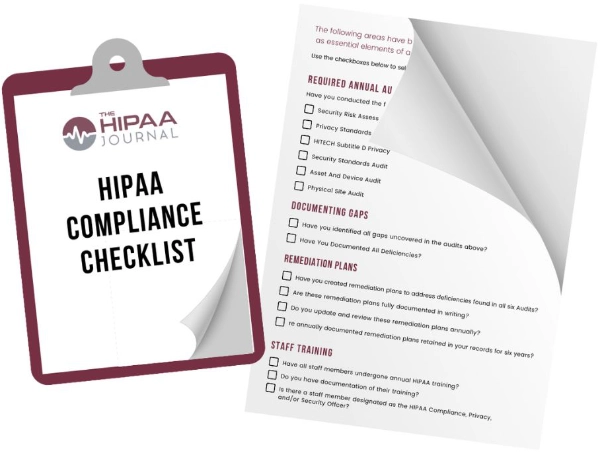
HIPAA Compliance Checklist
Immediate Delivery of Checklist Link To Your Email Address
Please Enter Correct Email Address
Your Privacy Respected
HIPAA Journal Privacy Policy
Get The FREE
HIPAA Compliance Checklist
Immediate Delivery of Checklist Link To Your Email Address
Please Enter Correct Email Address
Your Privacy Respected
HIPAA Journal Privacy Policy