

Steve Alder


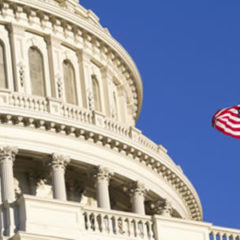
Democratic Senators Introduce Legislation to Ban the Use of Health Information for Advertising
Three Democratic Senators have introduced a bill that seeks to improve personal health data privacy by preventing companies from disclosing personally identifiable health information for advertising purposes. The legislation was introduced after two recent enforcement actions by the Federal Trade Commission (FTC) against GoodRx and BetterHelp over disclosures of personal and health information to social media and big tech firms after informing consumers that their health information would be kept private and confidential, and an enforcement action against a data broker – Kochava – for selling geolocation data, which could potentially be used to identify women who visited reproductive healthcare facilities. The legislation – The Upholding Protections for Health and Online Location Data (UPHOLD) Privacy Act – was introduced by U.S. Senators Amy Klobuchar (D-MN), Elizabeth Warren (D-MA), and Mazie Hirono (D-HI). In addition to prohibiting the use of personally identifiable health information for advertising purposes, the bill seeks to ban data brokers from selling...
Four Californian Medical Groups Sued over Data Breach Affecting 3.3 Million Patients
Four Californian medical groups have been named in a class action lawsuit that alleges a failure to implement reasonable and appropriate cybersecurity measures, resulting in a cyberattack and data breach involving the personal and protected health information of 3,300,638 current and former patients. The lawsuit names Regal Medical Group Inc., Lakeside Medical Organization, A Medical Group Inc., Affiliated Doctors of Orange County Medical Group, Inc., and Greater Covina Medical Group, Inc., and claims the cyberattack and data breach were foreseeable and could – and should – have been prevented. The cyberattack in question occurred on December 1, 2022. Hackers gained access to the medical groups’ IT systems, preventing access to certain servers on December 2, 2022. The cyberattack was detected on December 8, 2022, by which time the hackers had access to a huge amount of sensitive patient data, including full names, contact information, Social Security numbers, diagnoses, treatment information, medications, lab test results, radiology reports, and health insurance information....
Suspected DoppelPaymer Ransomware Core Members Arrested in Europol-Led Operation
Two individuals suspected of being core members of the DoppelPaymer ransomware gang have been arrested by police officers in Germany and Ukraine German Regional Police and Ukrainian Police officers as part of a coordinated law enforcement operation involving the Dutch Police (Politie), the Federal Bureau of Investigation (FBI), and coordinated by Europol. The operation saw coordinated raids on multiple locations in Germany and Ukraine resulting in two arrests and the seizure of IT equipment suspected of being used in multiple worldwide attacks. The equipment is currently under forensic investigation. DoppelPaymer ransomware first appeared in 2019. Since then, the ransomware has been used in dozens of attacks on critical infrastructure organizations and industries, and private companies. The ransomware is based on BitPaymer ransomware, which is part of the Dridex malware family. The DoppelPaymer gang worked closely with the operators of Emotet malware and used the botnet for distributing their ransomware payloads. The group was also known to use phishing emails with malicious...
Florida Man Pleads Guilty in Medicare Beneficiary Identifier Trafficking Case
The Department of Justice has announced one of its first prosecutions under the Medicare Access and CHIP Reauthorization Act of 2015 in a case involving the theft and sale of Medicare Beneficiary Identifiers. The Medicare Access and CHIP Reauthorization Act of 2015 (MACRA) required the Centers for Medicare and Medicaid Services (CMS) to remove Social Security numbers from all Medicare cards as part of an effort to prevent fraud, combat identity theft, and safeguard taxpayer dollars and replace them with Medicare Beneficiary Identifiers. MACRA also made it illegal to buy, sell, or distribute Medicare Beneficiary Identifiers without proper authority. In contrast to Social Security numbers, Medicare Beneficiary Identifiers cannot, by themselves, be used for identity theft; however, they can be used for medical identity theft. The recent prosecution of a Florida man shows these unique identifiers are being targeted and sold on the black market. Charles William McElwee, 36, from South Florida, is a marketer and CEO of Lead Junkies LLC. McElwee was arrested on suspicion of involvement in...
Dental Health Management Solutions Notified Patients About Historic Data Breach
Cedar Park, TX-based Dental Health Management Solutions (DHMS), a provider of dental services to the government/military and private patients has recently announced – via its legal counsel – that the protected health information of certain patients was exposed in a 2021 hacking incident. In a February 2023 notification to the Maine Attorney General, DHMS said it detected a network intrusion on or around August 20, 2021, with the forensic investigation confirming its network was compromised on July 17, 2021. A comprehensive review was conducted of all files that were potentially accessed or acquired in the attack and confirmed that 3,205 individuals have been affected. The types of information exposed varied from individual to individual and may have included names, addresses, medical information, health insurance information, Medicaid identification numbers, driver’s licenses, account and routing numbers, and Social Security numbers. DHMS said it has changed passwords and implemented multifactor authentication and offered affected individuals complimentary credit monitoring and...

Get The FREE
HIPAA Compliance Checklist
Immediate Delivery of Checklist Link To Your Email Address
Please Enter Correct Email Address
Your Privacy Respected
HIPAA Journal Privacy Policy
Get The FREE
HIPAA Compliance Checklist
Immediate Delivery of Checklist Link To Your Email Address
Please Enter Correct Email Address
Your Privacy Respected
HIPAA Journal Privacy Policy




