

Steve Alder


Four Healthcare Providers Hit with Ransomware Attacks
Ransomware attacks have recently been reported by four healthcare providers across the country, which have collectively resulted in the exposure and potential theft of the protected health information of more than 49,000 individuals. Jax Spine & Pain Centers Jax Spine and Pain Centers in Jacksonville, FL has recently announced it was the victim of a ransomware attack that occurred on January 24, 2022. The attack was conducted on an inactive server that contained records of patients who had visited either its Jacksonville or St. Augustine locations prior to May 2018. Jacksonville Spine Center said the attackers claimed to have stolen files from the server and threatened to publish the stolen data if the ransom was not paid but did not say whether a payment was made to prevent the publication of the data. Monitoring software had been installed on the server which allowed the attack to be rapidly detected, and due to the prompt action taken in response to the breach, it was possible to prevent the encryption of data. As soon as the breach was detected the server was shut down, but...
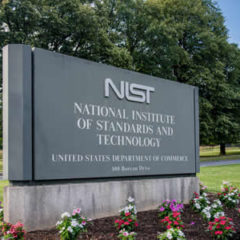
NIST Requests Comments on How to Improve its Cybersecurity Framework
The National Institute of Standards and Technology (NIST) is seeking feedback on the usefulness of its Framework for Improving Critical Infrastructure Cybersecurity (NIST Cybersecurity Framework) and suggestions on any improvements that can be made. The NIST Cybersecurity Framework was released in 2014 to help public and private sector organizations implement cybersecurity standards and best practices to improve their cybersecurity posture, better defend against cyber threats, and quickly identify and respond to cyberattacks in progress to limit the harm that can be caused. The NIST Cybersecurity Framework is considered the gold standard for cyber threat management; however, that does not mean improvements could not be made. The last update to the Cybersecurity Framework occurred in April 2018 and the past four years have seen considerable changes to the cybersecurity threat landscape. New threats have emerged, the tactics, techniques, and procedures used by cyber threat actors have changed, there are new technologies and security capabilities, and more resources are available to...
Notifications Recently Sent to Alert Individuals About September 2020 and February 2021 Cyberattacks
Two HIPAA-regulated entities have recently started notifying individuals whose protected health information was potentially compromised in cyberattacks that occurred more than 12 months ago, including one where it took 18 months to notify affected individuals that their protected health information had been accessed and potentially acquired. Comprehensive Health Services Notifies 106,752 Patients About September 2020 Cyberattack Comprehensive Health Services, a Cape Canaveral, FL-based provider of workforce medical services and subsidiary of Acuity International, has recently announced it was the victim of a cyberattack that was detected on September 30, 2020. The security incident came to light after multiple fraudulent wire transfers had been made from its accounts. Third-party forensics experts were engaged to determine the extent of the security incident, secure its digital environment, identify how the attacker gained access to its systems, and whether any sensitive data had been exfiltrated from those systems. Comprehensive Health Services explained in its breach notification...
Logan Health Medical Center Cyberattack Affects More Than 213,000 Patients
Logan Health Medical Center in Kalispell, MT, has recently started notifying certain patients that hackers gained access to a file server that housed patient information in “a highly sophisticated criminal attack.” A security breach of its information technology systems was detected on November 22, 2021, with the initial investigation confirming a hacker had breached its security defenses. Third-party forensic investigators were retained to conduct an investigation to determine the nature and scope of the attack and on January 5, 2022, it was confirmed that certain files on its systems that contained patient information had been accessed. The intrusion was limited to a single file server and its electronic medical records were not compromised. A review of the files on the affected server revealed they contained patient information including names, addresses, medical record numbers, dates of birth, telephone numbers, email addresses, insurance claim information, date(s) of service, treating/referring physician, medical bill account number, and/or health insurance information. The...
NCCoE Releases Final Version of NIST Securing Telehealth Remote Patient Monitoring Ecosystem Guidance
The National Cybersecurity Center of Excellence (NCCoE) has published the final version of NIST guidance on Securing Telehealth Remote Patient Monitoring Ecosystem (SP 1800-30). Healthcare delivery organizations have been increasingly adopting telehealth and remote patient monitoring (RPM) systems to improve the care they provide to patients while reducing costs. Patient monitoring systems have traditionally only been used in healthcare facilities but there are advantages to using these solutions in patients’ homes. Many patients prefer to receive care at home, the cost of receiving that care is reduced, and healthcare delivery organizations benefit from freeing up bed space and being able to treat more patients. While there are advantages to be gained from the provision of virtual care and the remote monitoring of patients in their homes, telehealth and RPM systems can introduce vulnerabilities that could put sensitive patient data at risk and if RPM systems are not adequately protected, they could be vulnerable to cyberattacks that could disrupt patient monitoring services....

Get The FREE
HIPAA Compliance Checklist
Immediate Delivery of Checklist Link To Your Email Address
Please Enter Correct Email Address
Your Privacy Respected
HIPAA Journal Privacy Policy
Get The FREE
HIPAA Compliance Checklist
Immediate Delivery of Checklist Link To Your Email Address
Please Enter Correct Email Address
Your Privacy Respected
HIPAA Journal Privacy Policy




