Steve Alder


Seven Elements of a Compliance Program
The seven elements of a compliance program are integrated processes organizations can adopt to help develop a culture of compliance in the workplace; and, when applied effectively, the seven elements can also be used to streamline operational processes, optimize organizational performance, and reduce overall costs. Because HIPAA compliance can be confusing, we have compiled this guide to the seven elements to make them relevant for HIPAA. Some compliance software solutions guide compliance officers through the seven elements as part of their set-up process. Summary of the Seven Elements While the seven elements of a compliance program apply to all industries, they were adopted for the healthcare industry by HHS’ Office of Inspector General in the late 1990s. This was in response to the growing level of healthcare fraud and abuse and an alleged “compliance disconnect” at the executive level in many hospitals and health systems. These are the seven elements, which we outline in more detail below: #1: Implement written policies, procedures, and standards of conduct. #2:...

What is HIPAA Safe Harbor and how does Cybersecurity Training help?
The HIPAA Safe Harbor Law, as integrated into the proposed HIPAA Security Rule update, potentially benefits organizations that can prove they have implemented and maintained recognized security practices over time. Healthcare focused cybersecurity training plays an important part in showing that those practices are understood and used by the workforce rather than only written in policy documents. What is HIPAA Safe Harbor and Where Does Training Fit in? The HIPAA Safe Harbor Law, added to the HITECH Act in 2021 as HITECH Act section 13412, “Recognition of Security Practices”, instructs the Department of Health and Human Services (HHS) to consider whether a HIPAA Covered Entity or HIPAA Business Associate had recognized security practices in place for at least twelve months before a security related HIPAA incident. If those practices can be demonstrated, HHS may reduce penalties, shorten audits, or take a more favorable view of remedial actions. Recognized security practices often come from frameworks such as NIST cybersecurity standards or sector specific guidance, but those...
HIPAA Rules for Dentists
The HIPAA Rules for dentists are the same as for any other healthcare provider that qualifies as a HIPAA covered entity inasmuch as, if a dentist qualifies as a HIPAA covered entity, they must comply with the applicable standards of the HIPAA Privacy, Security, and Breach Notification Rules. However, not all dentists qualify as a covered entity, and certain HIPAA regulations for dental offices may not apply in every state if the state has passed a privacy law with more stringent data protection or increased patient rights. The issue of HIPAA in dentistry is a complex one. This can because some dentists do not fulfil the criteria to be covered entities and others may have hybrid roles, provide services to a covered entity as a business associate, or operate in a state with more stringent privacy laws than HIPAA. It is not only dentists that find the HIPAA Rules for dentists challenging. 65% of complaints from members of the public relating to HIPAA violations are dismissed after review due to not having an eligible case for action. While not all the complaints are attributable to...

Final Rule Implementing Proposed HIPAA Privacy Rule Changes Edges Closer
In January 2021, the Department of Health and Human Services (HHS) Office for Civil Rights (OCR) published a proposed update to the HIPAA Privacy Rule – Modifications to the HIPAA Privacy Rule to Support, and Remove Barriers to, Coordinated Care and Individual Engagement. The purpose of the update is to revise the HIPAA Privacy Rule to strengthen individuals’ rights to access their own health information, improve care coordination, and reduce the compliance burden on healthcare providers and health plans, while continuing to protect the privacy of patients. Under the Biden administration, the proposed update did not appear to be a priority for the HHS, and there have been no signs during the first year of the new Trump administration that a final rule is any closer to being published; however, that changed on January 14, 2026, when OCR Director Paula M. Stannard published a notification of Tribal consultation on the 2021 Rule in the Federal Register. It has been five years since the proposed update to the HIPAA Privacy Rule was published in the Federal Register, and while...

How Employees Can Help Prevent HIPAA Violations
Employees can help prevent HIPAA violations by fully understanding what PHI is, knowing when PHI can permissibly be used and disclosed, and by following their employers’ policies on the compliant use of healthcare technologies and communication devices. Employees can also help prevent HIPAA violations by reporting poor practices they identify to a manager or compliance officer. One of the key goals of compliance officers is to prevent HIPAA compliance violations whenever possible. To achieve this goal, many compliance officers rely on technological solutions or sanctions policies to deter employees from noncompliant behaviors. However, by taking a more positive approach, employees can help prevent HIPAA violations. Use the article in conjunction with our free HIPAA Violations Checklist to understand what is required to ensure full compliance. Please use the form on this page to arrange for your copy. Most Frequent Complaints According to the Department of Health and Human Services’ Enforcement Highlights web page, the most frequent complaint received by HHS’ Office for...

Get The FREE
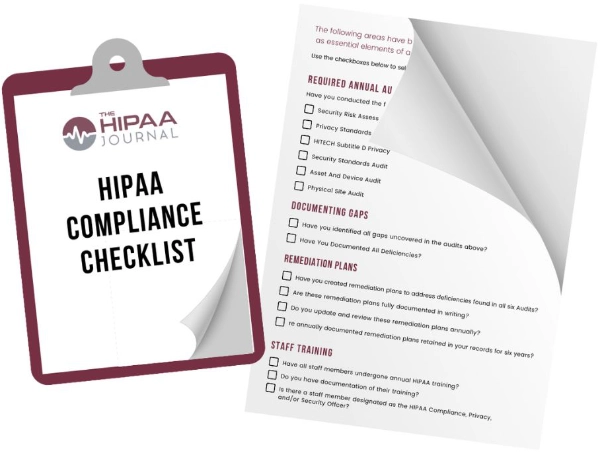
HIPAA Compliance Checklist
Immediate Delivery of Checklist Link To Your Email Address
Please Enter Correct Email Address
Your Privacy Respected
HIPAA Journal Privacy Policy
Get The FREE
HIPAA Compliance Checklist
Immediate Delivery of Checklist Link To Your Email Address
Please Enter Correct Email Address
Your Privacy Respected
HIPAA Journal Privacy Policy