

Steve Alder


New ‘DeepBlueMagic’ Ransomware Discovered by Heimdal Security Researchers
A new ransomware variant has been detected by researchers at Heimdal Security that is being used by a threat group that calls itself DeepBlueMagic. The ransomware differs considerably from all other previously identified ransomware strains. Heimdal Security researchers discovered the new ransomware variant on Wednesday, August 11, 2021, which had been used in an attack on a device running Windows Server 2012 R2. The analysis of the attack revealed DeepBlueMagic ransomware works completely differently to any other ransomware encountered in the past. The researchers determined DeepBlueMagic ransomware disables security solutions installed on devices to prevent detection, then proceeds to encrypt entire hard drives using a third-party disk encryption tool rather than files. All drives on the targeted server are encrypted with the exception of the system drive (“C:\” partition). The ransomware uses BestCrypt Volume Encryption software from Jetico. In the attack, the D:\ drive was turned into a RAW partition rather than NTFS, which rendered it inaccessible. Following an attack, any...
PHI Exposed in Phishing Attack on Children’s Hospital of The King’s Daughters
The email accounts of a small number of employees of Children’s Hospital of The King’s Daughters (CHKD) in Norfolk, VA have been compromised in a phishing attack. CHKD explained in an August 10, 2021 breach notification that the phishing attack occurred on April 20, 2021. Upon discovery of the breach, the email environment was immediately secured and third-party forensics experts were engaged to investigate to determine the nature and scope of the breach. On June 11, 2021, the full scope of the breach and unauthorized access was determined and a comprehensive review of all emails and attachments was conducted to determine the types of protected health information that had potentially been compromised. On July 12, 2021, CHKD was provided with details of all individuals affected. The email accounts contained the following types of protected health information: Full name, date of birth, patient account number, health insurance number, and/or other health related information and, for a limited number of individuals, their Social Security number. CHKD said the types of data exposed...
University Medical Center of Southern Nevada Confirms PHI Compromised in June Cyberattack
University Medical Center of Southern Nevada (UMC) has issued an update on a cyberattack it experienced in June 2021 and has now confirmed that some patient information was compromised in the attack. The cyberattack occurred on June 14, 2021 and was conducted by a “by a well-known group of cybercriminals that seek to use the information for commercial gain,” according to a July 29, 201 UMC press release. UMC explained that suspicious activity was detected within its IT environment and prompt action was taken to remove the attackers from its network. UMC said the breach was contained the on June 15, with the initial investigation suggesting the attackers had gained access to certain file servers; however, the prompt action taken by its IT Division meant there was no disruption to patient care or its clinical systems. Initially, UMC said it had no reason to believe any clinical systems were accessed by the attackers, although the investigation into the cyberattack was ongoing to establish the nature and scope of the cyberattack. The forensic investigation has now confirmed that...
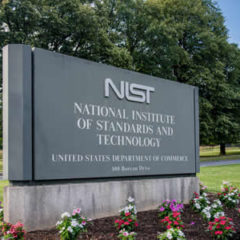
NIST Updates Guidance on Developing Cyber Resilient Systems
The National Institute of Standards and Technology (NIST) has released a major update to its guidance on developing cyber-resilient systems. A draft version of the updated guidance – NIST Special Publication 800-160, Volume 2, Revision 1: Developing Cyber-Resilient Systems: A Systems Security Engineering Approach – has been released which includes updates to reflect the changing tactics, techniques, and procedures (TTPs) of cyber threat actors, who are now conducting more destructive attacks, including the use of ransomware. Organizations used to be able to focus their resources on perimeter defenses and penetration resistance; however, these measures are no longer as effective as they once were at preventing attacks. A modern approach is now required which requires more resilience to be built into IT systems, which requires measures to be taken to limit the ability of an attacker to damage infrastructure and move laterally within networks. “The document provides suggestions on how to limit the damage that adversaries can inflict by impeding their lateral movement, increasing their...
Hospitals More Vulnerable to Botnets, Spam, and Malware than Fortune 1000 Firms
A recent study published in the Journal of the American Medical Informatics Association (JAMIA) sought to identify the relationship between cybersecurity risk ratings and healthcare data breaches. The study was conducted using data obtained from the Department of Health and Human Services between 2014-2019 and hospital cybersecurity ratings obtained from BitSight. The data sample included 3,528 hospital-year observations and Fortune 1000 firms were used as the benchmark against which hospital cybersecurity ratings were compared. For many years, healthcare has lagged other industries when it comes to managing and reducing cybersecurity risk. The researchers found that in aggregate, hospitals had significantly lower cybersecurity ratings than the Fortune 1000 firms; however, the situation has been improving and, based on BitSight risk ratings, the healthcare industry has now caught up with Fortune 1000 firms. By 2019, the difference between the cybersecurity risk ratings of hospitals and Fortune 1000 firms was no longer statistically significant. While the gap has virtually been...

Get The FREE
HIPAA Compliance Checklist
Immediate Delivery of Checklist Link To Your Email Address
Please Enter Correct Email Address
Your Privacy Respected
HIPAA Journal Privacy Policy
Get The FREE
HIPAA Compliance Checklist
Immediate Delivery of Checklist Link To Your Email Address
Please Enter Correct Email Address
Your Privacy Respected
HIPAA Journal Privacy Policy




