

Steve Alder



OIG: Two VA Employees Concealed Privacy and Security Risks of a Big Data Project
Two members of the Department of Veteran Affairs’ (VA) information technology staff are alleged to have made false representations about the privacy and security risks of a big data AI project between the VA and a private company that would have seen the private and confidential health data of tens of millions of veterans fed into the AI system. An administrative investigation was conducted by the VA Office of Inspector General (OIG) into a potential conflict of interest related to a cooperative research and development agreement (CRADA) between the VA and a private company in 2016. The purpose of the collaboration was to improve the health and wellness of veterans using AI and deep learning technology developed by Flow Health. The project aimed to identify common elements that make people susceptible to disease, identify potential treatments and possible side effects to inform care decisions and to improve the accuracy of diagnoses. The CRADA would have resulted in the private and confidential health data, including genomic data, of all veterans who had received medical treatment...
Montefiore Medical Center and Bethesda Hospital Fire Employees for HIPAA Breaches
Baptist Health’s Bethesda Hospital in Boynton Beach, FL has fired an employee for impermissibly accessing a patient’s protected health information and altering a home health order which was used to provide a patient with home care services. The HIPAA breach was identified on December 1, 2020, prompting an internal investigation. The employee has now been terminated and the incident reported to law enforcement. The investigation revealed other patient records may also have been accessed by the former employee between June 1, 2019 and December 2, 2020. The types of information potentially viewed included names, dates of birth, addresses, health insurance information, Social Security numbers, and clinical documentation. All affected individuals have been notified and offered complimentary identity theft protection and credit monitoring services and Baptist Health is exploring ways to further safeguard patients’ protected health information and prevent similar breaches in the future. The incident has yet to be listed on the HHS’ Office for Civil Rights’ website so it is currently...
Failure to Patch Results in 7-Year Breach of Florida Medicaid Applicants’ PHI and Exposure of 3.5 Million Records
The Tallahassee, FL-based Medicaid health plan, Florida Healthy Kids Corporation, has discovered its web hosting provider failed to patch vulnerabilities which were exploited by cybercriminals to gain access to its website and the HIPAA protected health information of applicants for benefits for the past 7 years. The breach is listed on the HHS’ Office for Civil Rights breach portal as affecting 3.5 million individuals, making this one of the largest healthcare data breaches of all time. Florida Healthy Kids used Jelly Bean Communications Design, LLC. for hosting its website. The website included an online application that recorded information about individuals when they applied for Florida KidCare benefits or renewed their health or dental coverage online. On December 9, 2020, Jelly Bean Communications notified Florida Healthy Kids that unauthorized individuals had gained access to the website and tampered with the addresses of several thousand applicants. Florida Healthy Kids engaged cybersecurity experts to conduct an investigation to determine the scope and severity of...
Philadelphia Department of Public Health Terminates Vaccine Distribution Contract Over Alleged Privacy Violations
Philly Fighting COVID, a company tasked with distributing COVID-19 vaccinations to the city of Philadelphia, has had its contract with the Philadelphia Department of Public Health terminated after allegations were made that the company’s privacy policies may have allowed the sale of individuals’ data to third parties. Philly Fighting COVID started out as a nonprofit that was initially focused on coronavirus testing before pivoting to administering COVID-19 vaccinations. The startup won the contract to run Philadelphia’s first community vaccine clinic, which was launched by the Department for Public Health on January 8, 2021. Philly Fighting COVID created a website where Philadelphians were encouraged to pre-register for the vaccines and were required to provide information such as names, contact information, date of birth, zip code, and other data, with the data intended to be provided to the Health Department and used to improve vaccination efforts, such as identifying the best locations to open further vaccine clinics. More than 60,000 individuals used the website and...
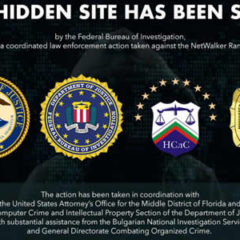
Global Law Enforcement Action Disrupts NetWalker Ransomware Operation
The U.S. Department of Justice (DOJ) has announced a dark web website used by the NetWalker ransomware gang has been seized as part of a global action to disrupt operations and bring the individuals responsible for the file-encrypting extortion attacks to justice. The action was taken in coordination with the United States Attorney’s Office for the Middle District of Florida, the Computer Crime and Intellectual Property Section of the Department of Justice, with substantial assistance provided by the Bulgarian National Investigation Service and General Directorate Combatting Organized Crime. The announcement comes just a few hours after Europol an international effort that resulted in the takedown of the Emotet Botnet. The NetWalker ransomware gang is one of around 20 ransomware-as-a-service (RaaS) operators that recruit affiliates to distribute ransomware for a cut of any ransom payments they generate. The NetWalker gang started operating in late 2019. Since then, the ransomware has proven popular with affiliates and many attacks have been conducted. It has been estimated that in...

Get The FREE
HIPAA Compliance Checklist
Immediate Delivery of Checklist Link To Your Email Address
Please Enter Correct Email Address
Your Privacy Respected
HIPAA Journal Privacy Policy
Get The FREE
HIPAA Compliance Checklist
Immediate Delivery of Checklist Link To Your Email Address
Please Enter Correct Email Address
Your Privacy Respected
HIPAA Journal Privacy Policy




